Is a French Drain the Right Solution for Your Property? Here's What You Should Know
Determining whether a French drain system is right for a home requires detailed assessment of specific drainage issues. Homeowners may encounter problems like water pooling or wetness in basements, which can lead to more serious issues. Understanding the advantages and limitations of a French drain is essential. This decision could greatly influence the property's longevity and safety. What factors should be examined before committing to such a solution?
Dealing With Water Accumulation?
Excess water can cause major difficulties for homeowners, often causing structural damage and mold growth. Accumulated water around a home can stem from heavy rainfall, faulty drainage systems, or inadequate landscaping. When water accumulates near the foundation, it can compromise structural integrity and foster dangerous mold development.
Property owners may notice indicators like moist basements, water stains, or musty odors, pointing to the necessity for swift action. If left untreated, these concerns can deteriorate, resulting in expensive repairs and health hazards.
For effective water accumulation management, it is crucial to evaluate drainage systems and landscape grading. Implementing appropriate solutions can mitigate risks, providing a safe and dry living environment. Engaging professionals for assessment and repair is recommended, as they hold the experience to propose suitable strategies tailored to specific conditions. Prompt action can significantly increase the longevity and safety of a home.
The Benefits of Choosing a French Drain
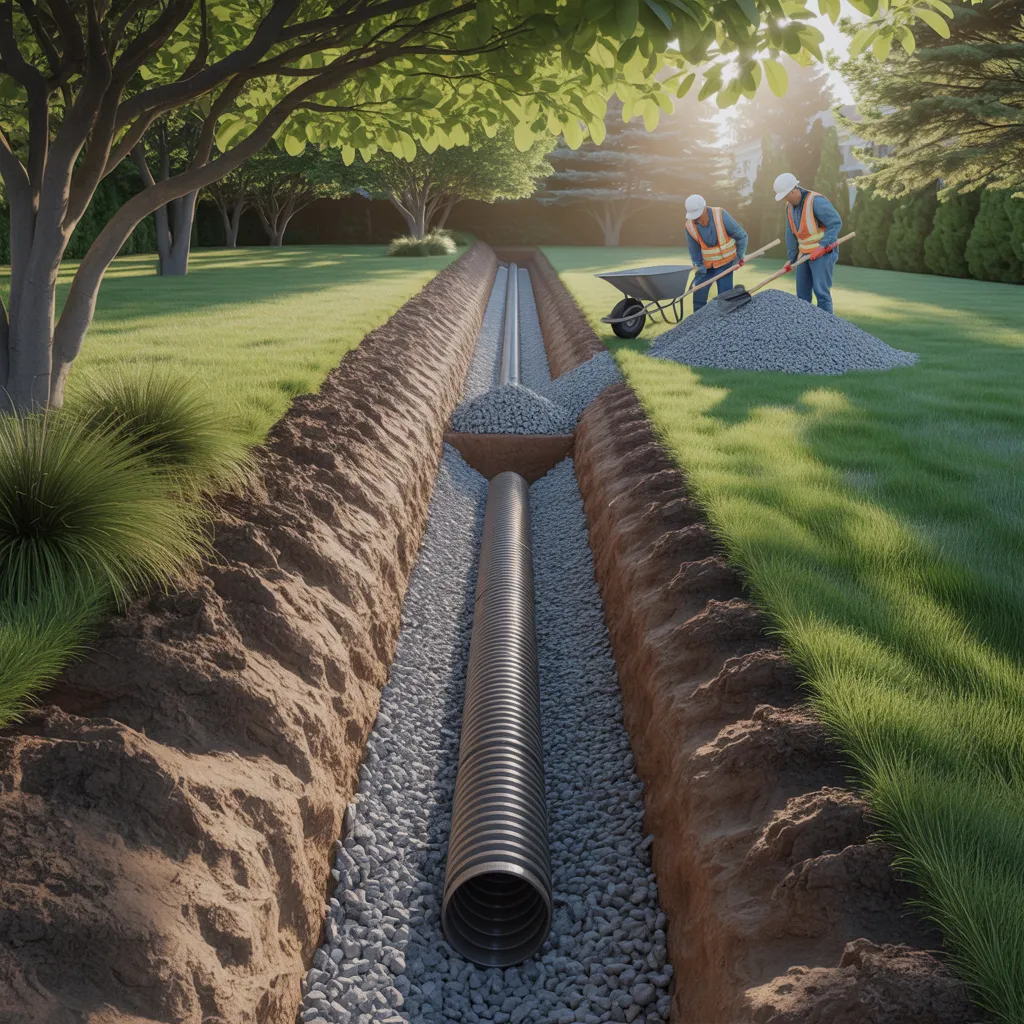
Homeowners facing persistent water accumulation often seek effective solutions to protect their properties. A French drain is a popular choice due to its efficiency in redirecting water away from foundations and landscaped areas. This configuration features a channel loaded with rock or gravel material, incorporating a drilled tube that captures and routes overflow water.
A notable benefit of installing a French drain is its capability to stop water damage, which can bring about substantial repairs. In addition, it lessens soil erosion and preserves adjacent landscaping, boosting property value.
Furthermore, French drains are versatile and can be positioned in different locations, including basements, yards, or alongside driveways. They need comparatively low maintenance in comparison to other drainage systems, making them a pragmatic long-term solution. For homeowners aiming to maintain a moisture-free, healthy environment, the advantages of a French drain make it a appealing option.
What's the Working Principle Behind French Drains?
In what way does a French drain effectively handle excess water? A French drain consists of a trench containing gravel or rock, housing a perforated pipe at its base. This system uses gravitational forces to guide surface and groundwater into the pipe. Once water accumulates near the foundation or in the yard, it flows into the gravel and travels through the perforations into the pipe.
The water is then channeled away from the property to a designated drainage area, such as a storm sewer or dry well. This system avoids water from pooling and decreases the risk of water damage or flooding. Correct installation is critical; the drain must be sloped adequately to provide efficient water flow. In addition, maintaining the system by clearing debris from the pipe and surrounding gravel is essential for best performance. Overall, French drains provide a trustworthy solution for effective water management around residential homes.
Common Limitations of French Drains
Even though French drains are commonly recognized for their efficiency in handling water, several potential downsides require consideration. One main concern is the installation cost, which can be considerable due to workforce and material expenses. Homeowners may also experience ongoing maintenance issues; debris and sediment can clog the system, requiring regular inspections and maintenance cleanings. Furthermore, if improperly installed, a French drain can worsen drainage difficulties by diverting water to undesired areas, potentially impacting neighboring properties.
Moreover, the setup's reliance on gravity means that its effectiveness can diminish in flatter terrains. In cooler climates, freezing temperatures can result in ice blockages, additionally complicating drainage issues. source Eventually, while they can alleviate water concerns, French drains do not address the underlying sources of excess water, potentially leading to future problems if not addressed holistically. Understanding these limitations is essential for homeowners contemplating this drainage solution.
How Do You Know If You Need a French Drain?
Determining the need for a French drain often stems from ongoing water issues around a property. Homeowners should first examine whether they experience water collecting in basements, crawl spaces, or around the foundation during heavy rainfall. Evidence of water intrusion, such as mold growth, musty odors, or damp walls, are further indicators that a drainage solution may be necessary.
Furthermore, a property's landscape serves a crucial function; homes situated in low-lying areas or those with substandard grading may be more prone to water accumulation. Evaluating gutters and downspouts for clogs or faulty drainage is equally essential, as faulty systems can intensify water challenges.
Meeting with a drainage specialist can supply valuable insights into the necessity of a French drain. Ultimately, detecting these signs early can avert more severe water damage and costly repairs in the future, preserving the longevity and integrity of the home.
Questions & Answers
How Much Should You Expect to Pay for French Drain Installation?
The average price for French drain installation ranges from $1,500 to $5,000, determined by factors like the drainage area size, soil conditions, and regional labor costs.
Is DIY French Drain Installation Feasible?
Certainly, a French drain can be installed by a homeowner who has proper tools and guidance. Nevertheless, the procedure requires meticulous planning, understanding of local requirements, and physical labor to ensure effective water management and drainage.
How Many Years Does a French Drain Last?
French drains usually last between 30 to 40 years, depending on how well it's installed and maintained. Regular checks for clogs and proper drainage can greatly extend its service life, ensuring reliable water management throughout its lifetime.
Does a French Drain Require Maintenance?
Yes, a French drain requires maintenance, including regular inspections for clogs, cleaning the gravel to maintain proper drainage, and checking for any signs of deterioration. This sustains its effectiveness over time and prevents potential water issues.
Does a French Drain Affect My Landscaping?
A French drain may influence landscaping by altering water flow, potentially requiring adjustments to soil and plants. Adequate planning and correct installation will reduce negative effects, ensuring that landscaping maintains its health and aesthetic appeal.